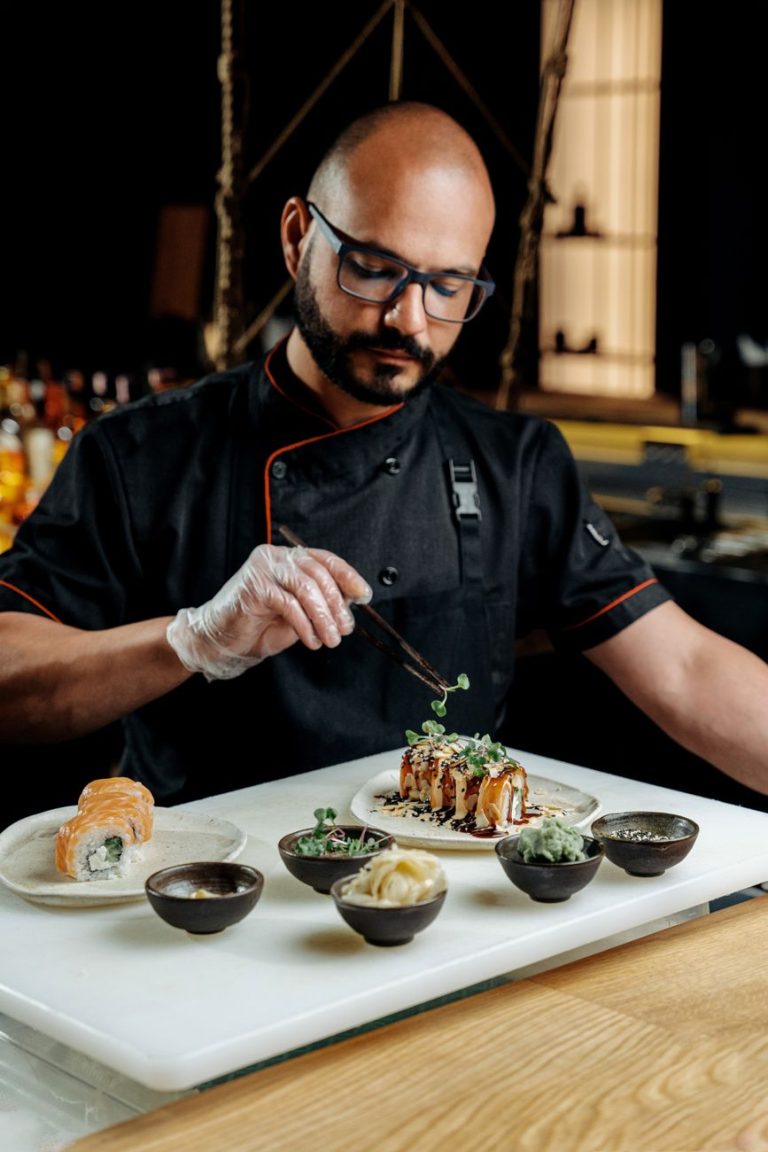
Restaurant Jobs: Which Roles Pay More? The answer depends on experience, location, responsibilities, and workplace type. Therefore, job seekers should compare total compensation instead of hourly wages alone.
Managers and executive chefs often receive higher base salaries. However, experienced servers and bartenders can earn competitive incomes through tips. In addition, specialized culinary professionals may command stronger pay in luxury establishments.

This guide compares major restaurant careers in 2026. Moreover, it explains which factors influence earnings, advancement, and long-term stability.
Restaurant Jobs: Which Roles Pay More?
Restaurant managers typically rank among the industry’s stronger salaried earners. They oversee employees, budgets, inventory, service standards, and daily operations.
However, executive chefs can also secure attractive compensation. Their income often reflects culinary expertise, leadership duties, and the restaurant’s reputation.
Meanwhile, tipped professionals may outperform salaried workers during busy periods. Therefore, the highest-paying role can change across establishments and markets.
• Management: Stronger salary stability and advancement potential.
• Executive culinary roles: Higher pay for leadership and specialized expertise.
• Tipped positions: Variable earnings with significant potential in busy venues.
Restaurant Jobs: Which Roles Pay More? Management Careers
General managers usually carry broad responsibility. Consequently, employers may offer salaries, bonuses, health benefits, or paid leave.
Assistant managers generally earn less than general managers. However, the position provides valuable experience with scheduling, training, purchasing, and customer service.
Food and beverage managers can also build rewarding careers. In addition, hotels, resorts, and large restaurant groups may offer structured promotion paths.
Skills that improve management earnings
Strong managers control costs without weakening service. Therefore, financial knowledge can support promotions and compensation growth.
Furthermore, communication skills help managers retain employees and resolve problems. Employers also value scheduling, inventory, and compliance experience.
Job seekers can review related career guidance and learn more here. Additionally, they should evaluate benefits alongside salary.
Restaurant Jobs: Which Roles Pay More? Kitchen Careers
Executive chefs usually earn more than line cooks because they lead entire culinary operations. Moreover, they design menus and manage food costs.
Sous chefs support kitchen leadership and supervise service. Therefore, this position often creates a practical route toward executive chef opportunities.
Specialized professionals may also increase their earning potential. For example, pastry chefs and private chefs can develop valuable niche expertise.
• Executive chef
• Sous chef
• Pastry chef
• Private chef
• Experienced specialty cook
Service and Bar Roles With Strong Earning Potential
Servers can earn substantial tips in fine dining and high-volume restaurants. However, income may change by shift, season, and customer traffic.
Bartenders may also build strong earnings. In addition, cocktail knowledge, speed, accuracy, and guest relationships can improve their opportunities.
Sommeliers serve guests through specialized wine knowledge. Consequently, upscale restaurants may reward credible training and proven sales skills.
Nevertheless, tipped compensation rules vary by jurisdiction. Workers should check official labor guidance and understand local wage protections.
Factors That Determine Restaurant Pay
Location strongly affects restaurant earnings. For instance, wages may rise in expensive cities, although living costs may also increase.
Restaurant type matters as well. Luxury hotels, private clubs, resorts, and fine-dining venues often require advanced skills and polished service.
Experience can create leverage during salary discussions. Moreover, leadership results and specialized credentials may strengthen a candidate’s position.
• Local labor demand and living costs
• Restaurant size, concept, and sales volume
• Experience, training, and certifications
• Tips, bonuses, benefits, and overtime
• Schedule flexibility and leadership duties
For broader occupational information, consult the U.S. Bureau of Labor Statistics. Its resources explain food service careers and employment considerations.
How to Choose the Right Restaurant Career
First, decide whether you prefer stable compensation or variable tip potential. Then, compare realistic earnings across local employers.
Next, consider your preferred work environment. Kitchen leadership, guest service, beverage programs, and operations management require different strengths.
Finally, examine the complete offer. Therefore, include benefits, scheduling, advancement, training, and workplace culture in your decision.
Frequently Asked Questions
Which restaurant job usually offers the highest salary?
General managers and executive chefs often receive higher base salaries. However, compensation varies by location, experience, and restaurant type.
Can servers earn more than restaurant managers?
Yes, some experienced servers can earn more during strong shifts. Nevertheless, their income usually varies more because tips depend on business volume.
Do certifications increase restaurant pay?
Relevant certifications can improve credibility and career access. However, employers also consider experience, performance, leadership, and market demand.
Should applicants compare salary or total compensation?
Applicants should compare total compensation. Therefore, they should review tips, bonuses, insurance, paid leave, meals, and scheduling benefits.
Conclusion
Restaurant Jobs: Which Roles Pay More? Management and executive culinary roles often provide stronger base salaries. However, skilled servers, bartenders, and specialists can also achieve competitive earnings.
Therefore, compare the entire compensation package before accepting an offer. Moreover, choose a path that matches your abilities, goals, and preferred environment.