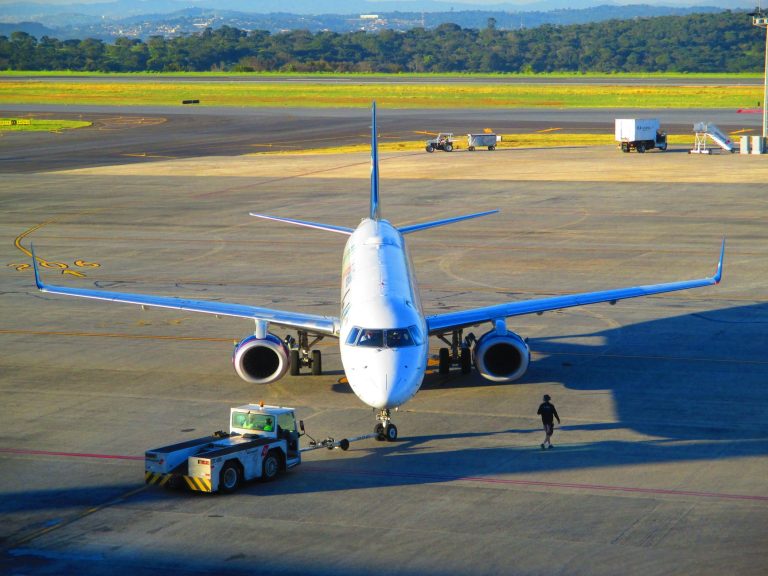
Airport Jobs: Roles Hiring in 2026 include customer service, security, operations, maintenance, and logistics opportunities. Airports need dependable workers to support passengers, airlines, cargo companies, retailers, and government agencies.
However, each position requires different skills, schedules, and qualifications. Therefore, applicants should understand the available career paths before submitting applications. This guide explains key roles, requirements, and practical hiring strategies.

Additionally, airport work can provide valuable experience in a fast-moving environment. Candidates who communicate clearly, follow procedures, and remain flexible can build strong aviation careers.
Airport Jobs: Roles Hiring in 2026 Across Major Departments
Airports operate like small cities. Therefore, they hire people for passenger services, safety, transportation, food service, retail, cleaning, and technical support.
Additionally, airlines recruit gate agents, baggage handlers, ticketing representatives, and ground operations workers. Airport authorities also hire administrators, planners, electricians, and facility specialists.
Meanwhile, private contractors manage many airport services. Consequently, candidates should search airline websites, airport career pages, government portals, and contractor listings.
• Passenger services: gate agents, lounge attendants, and customer support representatives.
• Ground operations: baggage handlers, ramp agents, and equipment operators.
• Facilities: custodians, technicians, electricians, and maintenance workers.
• Commercial services: retail associates, servers, cooks, and cashiers.
Airport Jobs: Roles Hiring in 2026 for Entry-Level Applicants
Many entry-level airport roles value reliability more than aviation experience. For example, employers often train new baggage handlers, cleaners, cashiers, and passenger assistants.
However, candidates must meet each employer’s basic requirements. Companies may request a high school diploma, valid identification, background screening, or a driver’s license.
Moreover, physical roles may involve lifting, walking, or outdoor work. Applicants should read every job description carefully and assess each requirement honestly.
Skills Employers Expect From Airport Candidates
Strong communication matters because airport employees assist travelers from many backgrounds. Therefore, candidates should explain information calmly, accurately, and respectfully.
Additionally, employers value punctuality and attention to detail. Airport teams follow strict schedules, safety rules, and security procedures throughout every shift.
On the other hand, unexpected delays can quickly change daily priorities. Adaptable employees respond professionally and help their teams solve problems efficiently.
• Clear verbal communication
• Dependable attendance
• Customer service awareness
• Safety-focused decision-making
• Teamwork under pressure
Airport Jobs: Roles Hiring in 2026 and Their Work Schedules
Most airports operate continuously. Consequently, many positions include early mornings, overnight shifts, weekends, or holidays. Schedule flexibility can improve an applicant’s options.
Furthermore, some employers offer part-time, seasonal, or full-time schedules. Applicants should confirm weekly hours, overtime policies, and shift expectations before accepting offers.
However, compensation and benefits vary by employer and location. The U.S. Bureau of Labor Statistics provides reliable occupational information for several transportation careers.
How to Apply for Airport Positions Successfully
First, tailor your resume to the advertised role. Highlight customer service, safety, equipment, language, technical, or logistics experience that matches the position.
Next, use specific examples during interviews. For instance, explain how you resolved a customer problem, followed procedures, or supported a busy team.
Finally, prepare for screening requirements and respond quickly to recruiters. Accurate documents and professional communication can prevent avoidable hiring delays.
Prepare a Focused Airport Resume
Keep your resume clear and relevant. Therefore, place your strongest matching qualifications near the top, and use direct action verbs.
Additionally, mention schedule flexibility only when it reflects your availability. Honest information helps employers evaluate your fit and reduces future conflicts.
For more career preparation guidance, learn more here. Then, review every application for spelling, dates, and contact details before submitting it.
Frequently Asked Questions
Do airport jobs require previous aviation experience?
Not always. Many customer service, retail, cleaning, and ground support employers provide job-specific training. However, specialized technical roles may require licenses, certifications, or previous experience.
What background checks may airport workers complete?
Requirements depend on the employer, role, and work area. Therefore, applicants should expect identity verification and role-specific screening. Employers explain their exact process during recruitment.
Where should candidates search for airport openings?
Check airport authority websites, airline career pages, contractor portals, and reputable job boards. Additionally, review concession, cargo, rental car, and government agency websites.
Which qualities improve an airport job application?
Reliability, clear communication, flexibility, and safety awareness strengthen many applications. Moreover, a tailored resume helps recruiters connect your experience with their needs.
Conclusion
Airport Jobs: Roles Hiring in 2026 cover many experience levels and professional interests. Therefore, candidates should compare duties, schedules, qualifications, and employers carefully.
Ultimately, a focused resume and honest application create a stronger foundation. Additionally, preparation helps candidates approach interviews and screening steps with confidence.