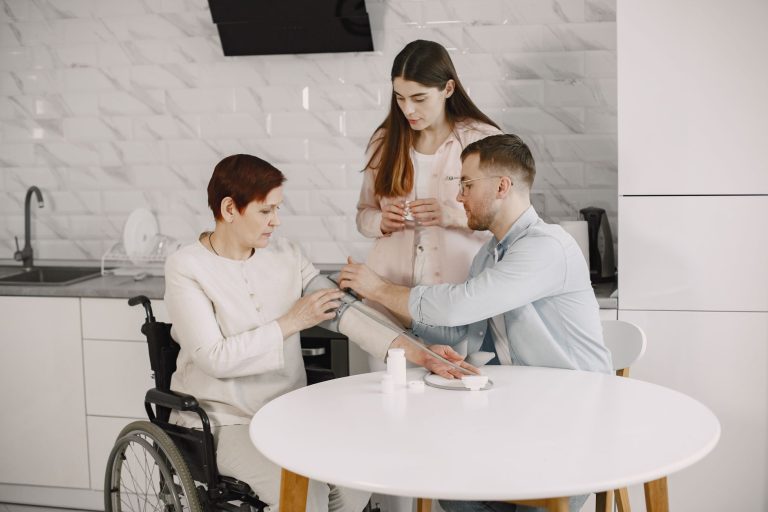
Caregiver Jobs: Certification Requirements Explained helps applicants understand a career path with several entry points. However, requirements vary by state, employer, workplace, and assigned duties.
Some positions require formal training, while others offer supervised instruction after hiring. Therefore, candidates should review every job description carefully before applying.

This guide explains common credentials, practical skills, background checks, and application steps in 2026. Additionally, it shows how applicants can prepare without pursuing unnecessary certificates.
Caregiver Jobs: Certification Requirements Explained by Role
Caregiver titles often include personal care aide, home care aide, companion, and home health aide. Although these roles overlap, their permitted duties can differ.
For example, companion caregivers usually provide conversation, transportation, meal preparation, and household support. In contrast, home health aides may perform health-related tasks under professional supervision.
Therefore, candidates should compare the title with the actual responsibilities. The U.S. Bureau of Labor Statistics offers reliable career information about these occupations.
Common Caregiver Certification Options
The United States does not use one universal certificate for every caregiver position. Instead, state rules and employer policies determine which credentials applicants need.
Many employers value CPR and first aid training. Additionally, some roles require state-approved home care training or a home health aide credential.
Certified nursing assistant credentials may create more opportunities in clinical settings. However, CNA programs include broader training and state-specific examinations.
• CPR and first aid: Supports emergency readiness.
• Home health aide training: Prepares workers for supervised home health services.
• CNA certification: Supports employment in many clinical care environments.
• Specialized education: Builds skills for dementia, mobility, or hospice support.
Caregiver Jobs: Certification Requirements Explained Across States
State regulations can set training hours, competency standards, or registration rules. Consequently, applicants should never assume that another state’s requirements apply locally.
Moreover, requirements can change according to funding sources and care settings. Medicare-certified home health agencies, for example, follow specific federal participation standards.
Before paying for training, contact the relevant state health department or licensing agency. Additionally, ask potential employers which programs they recognize.
Background Checks and Health Documents
Many employers conduct criminal background checks before assigning caregivers to clients. Furthermore, agencies may review driving records when a position includes transportation.
Employers may also request tuberculosis screening, vaccination records, or health clearance. However, exact policies depend on local law and workplace conditions.
Applicants should organize identification, employment history, and professional references early. As a result, they can complete hiring steps more efficiently.
Skills That Strengthen Caregiver Applications
Certificates can demonstrate preparation, but employers also evaluate reliability and communication. Therefore, applicants should provide clear examples of responsible behavior.
Strong caregivers respect privacy, follow care plans, and report concerns promptly. Additionally, they maintain professional boundaries during emotionally difficult situations.
Practical abilities also matter every day. Useful skills include safe transfers, meal preparation, infection prevention, scheduling, and accurate documentation.
• Describe relevant family, volunteer, or professional experience honestly.
• Highlight punctuality, patience, and dependable communication.
• Explain any training in dementia or disability support.
• Never claim a credential that has expired or lacks recognition.
Caregiver Jobs: Certification Requirements Explained Before Applying
First, choose the care setting that matches your goals. Home care, assisted living, and skilled nursing facilities can follow different hiring standards.
Next, review your state’s official guidance and compare several job postings. Then, identify credentials that appear consistently across reputable employers.
Finally, confirm training costs, renewal rules, and practical testing requirements. For more career preparation resources, learn more here before submitting applications.
Questions to Ask a Caregiver Employer
Applicants should ask whether the employer provides paid orientation or required training. Moreover, they should confirm who covers certification and renewal costs.
Ask about daily duties, supervision, scheduling, and client transportation. Therefore, you can evaluate whether the role matches your qualifications.
Also, request written information about wages, overtime, travel time, and employment status. Clear terms help candidates avoid misunderstandings after hiring.
Frequently Asked Questions
Can I get a caregiver job without certification?
Yes, some companion and personal care positions accept applicants without formal certification. However, employers may still require orientation, background checks, and job-specific training.
Which caregiver certification should I pursue first?
Start with the credential that local employers request most often. Additionally, consider CPR and first aid training from a recognized provider.
Do caregiver certifications require renewal?
Many credentials require periodic renewal or continuing education. Therefore, check the issuing organization’s rules and track every expiration date.
Conclusion
Caregiver Jobs: Certification Requirements Explained gives candidates a practical foundation for entering this meaningful field. However, no single credential fits every role or location.
Therefore, verify state rules, study employer expectations, and select recognized training. Additionally, present your skills honestly and keep every required document current.