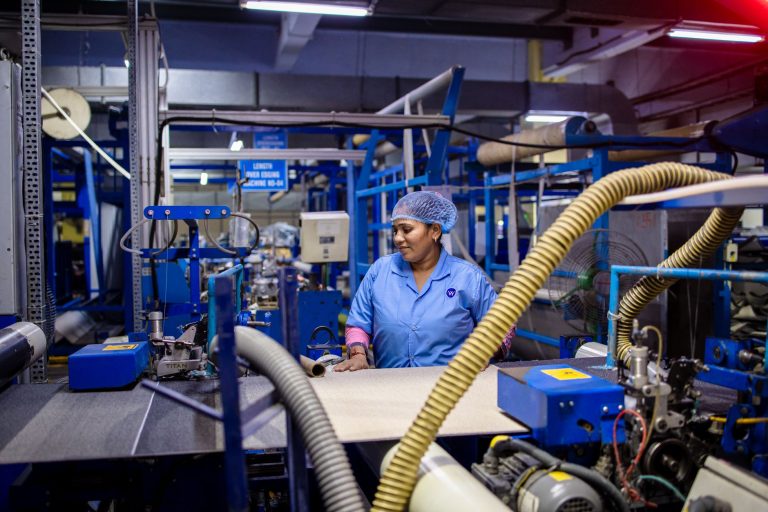
Factory Jobs: Shifts, Pay, and Benefits remain important topics for anyone exploring manufacturing careers in 2026. These positions support production, packaging, inspection, maintenance, logistics, and many other essential operations.
Moreover, factory work can offer structured schedules and clear responsibilities. However, conditions vary widely between employers, industries, and locations. Therefore, applicants should compare every opportunity carefully.
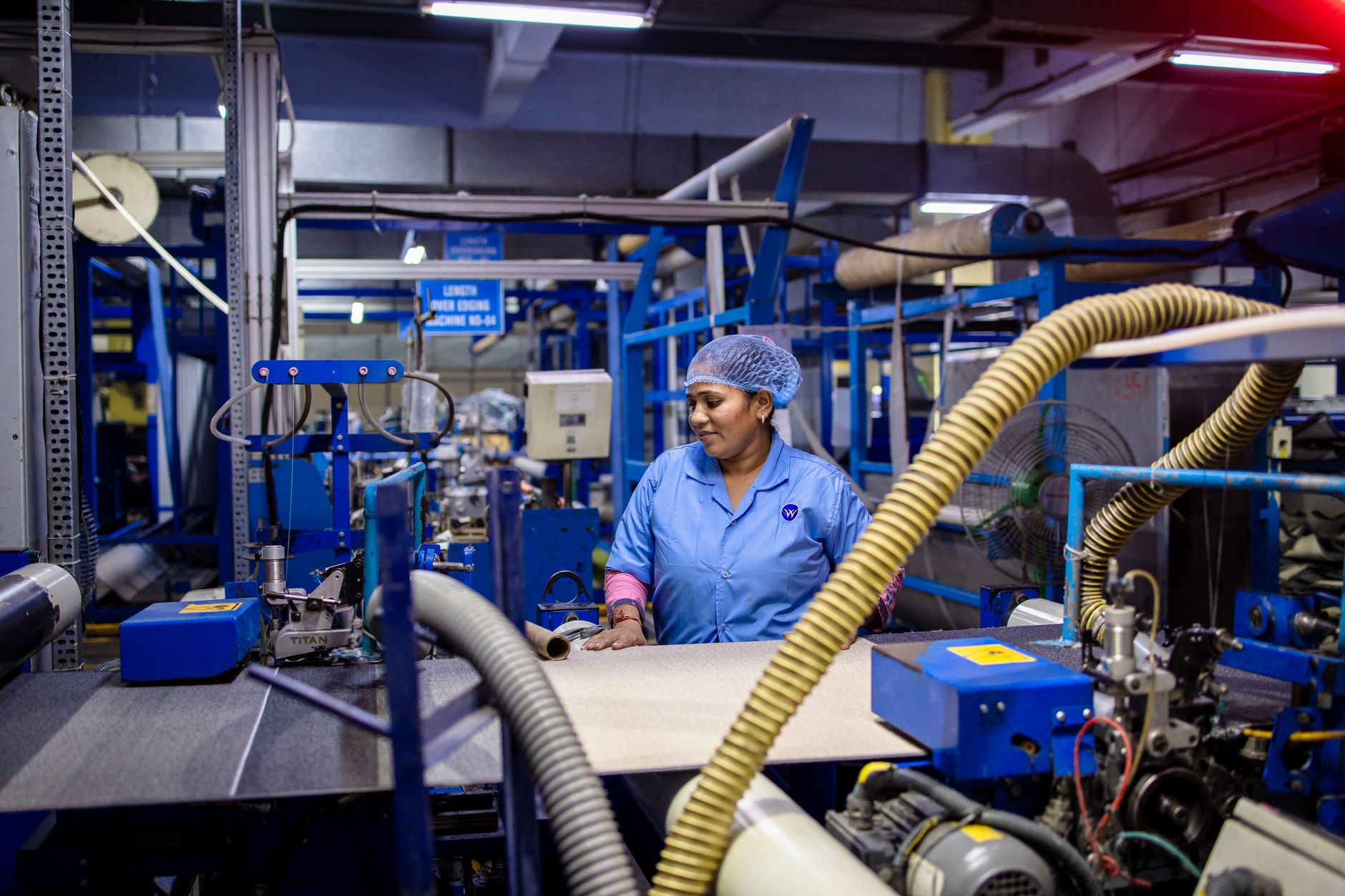
This guide explains common shifts, compensation factors, benefits, safety expectations, and advancement paths. Consequently, you can evaluate openings with greater confidence and prepare for interviews effectively.
Factory Jobs: Shifts, Pay, and Benefits Explained
Factory employees often operate machinery, assemble products, inspect materials, or prepare orders. Additionally, some workers monitor quality standards or manage inventory.
Manufacturers hire people with different experience levels. For example, many entry-level roles include practical workplace training. Technical positions may require certifications or previous experience.
However, job duties depend on the facility and product. Therefore, read each description closely before applying. Confirm the physical requirements, schedule, location, and required skills.
Factory Jobs: Shifts, Pay, and Benefits by Schedule
Factories often operate beyond traditional business hours. Consequently, employers may divide each day into first, second, and third shifts. Some facilities also use rotating schedules.
First shifts usually begin in the morning. Meanwhile, second shifts typically cover afternoons and evenings. Third shifts generally run overnight.
Additionally, compressed schedules may include longer workdays and fewer weekly shifts. Weekend schedules can also support continuous production. Therefore, ask whether the employer requires overtime or shift rotation.
Factory Jobs: Shifts, Pay, and Benefits for Night Workers
Some employers offer extra compensation for evening or overnight hours. Employers often call this additional amount a shift differential. However, policies differ significantly.
Night work may suit people who prefer quieter commuting periods or daytime flexibility. On the other hand, workers must protect their sleep routines and personal well-being.
Therefore, review the schedule’s long-term impact before accepting an offer. Also, confirm how shift changes affect premiums, breaks, and overtime calculations.
Understanding Factory Pay in 2026
Factory pay depends on location, industry, responsibilities, experience, and technical skill. Moreover, specialized equipment roles may offer different rates than general production positions.
Employers may pay hourly wages, salaries, production incentives, or attendance bonuses. However, candidates should never assume that every advertised bonus arrives automatically. Ask about eligibility rules first.
Additionally, review overtime policies and payroll frequency. The U.S. Department of Labor explains federal overtime requirements. State rules may provide additional protections.
• Base pay: Compare the regular hourly rate.
• Shift differential: Check premiums for nights or weekends.
• Overtime: Confirm eligibility and scheduling expectations.
• Incentives: Review quality, production, and attendance conditions.
Factory Jobs: Shifts, Pay, and Benefits Packages
Benefits can add meaningful value beyond regular wages. For example, employers may provide health insurance, retirement plans, paid leave, or training support.
However, coverage often starts after a waiting period. Therefore, ask when each benefit begins. Also, compare employee premiums, deductibles, employer contributions, and dependent coverage.
Some companies offer uniforms, safety footwear allowances, meals, transportation support, or tuition assistance. Additionally, unionized workplaces may follow negotiated benefit agreements.
• Medical, dental, or vision coverage
• Paid vacation, holidays, or sick leave
• Retirement plans and employer contributions
• Skills training or certification support
• Employee assistance and wellness programs
Safety, Applications, and Career Growth
Safety should influence every employment decision. Therefore, look for clear training, maintained equipment, protective gear, and accessible reporting procedures.
During interviews, ask how managers handle hazards and workplace injuries. Additionally, confirm whether the company provides required protective equipment and task-specific instruction.
To strengthen your application, highlight reliability, teamwork, quality awareness, and mechanical skills. Furthermore, mention relevant forklift, welding, maintenance, or safety credentials.
Factory roles can also create advancement opportunities. For instance, workers may progress into quality control, maintenance, supervision, logistics, or production planning.
Finally, research the employer and customize your résumé. You can learn more here about preparing for career opportunities and comparing job requirements.
Frequently Asked Questions
Do factory jobs require previous experience?
Not always. Many employers train entry-level workers. However, technical roles may require certifications, equipment knowledge, or related experience.
Do factory employees receive extra pay for night shifts?
Some employers offer shift differentials for nights or weekends. Nevertheless, each company sets its own policy and eligibility requirements.
What should applicants ask during an interview?
Ask about duties, schedules, overtime, training, safety procedures, wages, and benefits. Additionally, confirm whether the position requires lifting or standing.
Can factory work lead to a long-term career?
Yes, many workers develop technical or leadership skills. Consequently, they may pursue roles in maintenance, quality, logistics, or management.
Conclusion
Factory Jobs: Shifts, Pay, and Benefits deserve careful comparison. Therefore, review the complete offer rather than focusing only on hourly wages.
Consider scheduling, overtime, safety, insurance, training, and advancement opportunities. Finally, choose a role that supports your financial goals and daily needs.